24/02/2010
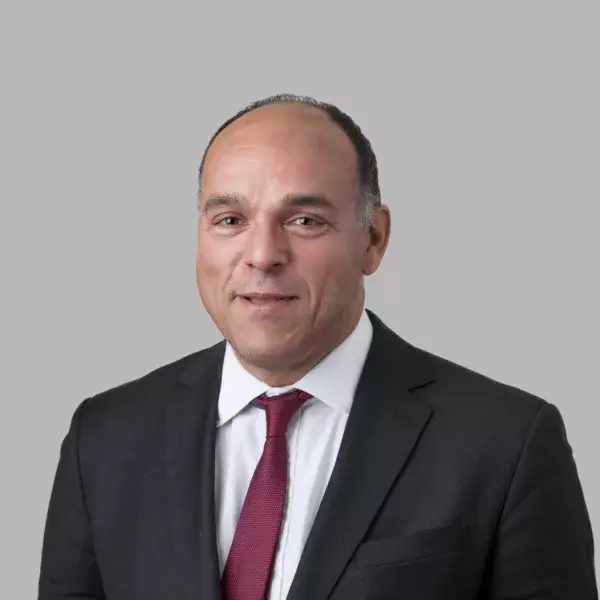
1 Mitre Court Buildings are pleased to announce that Anthony
Katz has joined Chambers after successfully completing his pupillage
with us.
Anthony's profile is being prepared and will be available shortly. In the interim, please contact our clerks for further information.
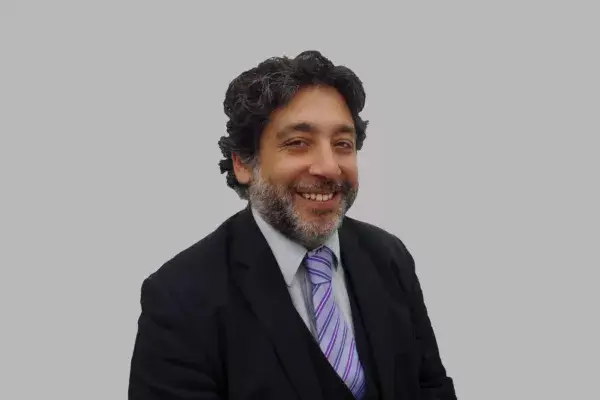
20/02/2010
Paul Richmond to return to full time practice
1 Mitre Court Buildings is pleased to announce
that Paul Richmond will be returning to the immigration team in January 2010.
Paul has spent the last year reading for an LL.M
in International Human Rights Law at the University of Essex. In addition to
furthering his legal studies, Paul has used his absence from Chambers as an
opportunity to continue his impressive commitment to international pro bono
work. Projects that he has undertaken include having:
◦ Advised a group of Zimbabwean lawyers on the
liability of the Governor of the Reserve Bank of Zimbabwe for aiding and
abetting crimes against humanity;
◦ Updated the UN Office of the High Commissioner
for Human Rights manual entitled "Human Rights in the Administration of
Justice";
◦ Monitored the trial of 7 Gambian journalists
before the Banjul High Court on charges of ‘sedition and defamation'.
In October 2009, Paul is scheduled to act as
rapporteur on a high-level judicial system needs assessment mission that is
being sent to Kenya by the International Bar Association and the International
Legal Assistance Consortium. He will then return to full-time practice in early
November 2009.
If you would like to discuss Paul's availability
to undertake immigration work then please contact Michelle Hughton on: michelle.hughton@1mcb.com
or 0207 452 8900.
MA (Pakistan) [2009] EWCA Civ 953
Simon Canter has recently had success in this
important Court of Appeal authority which clarifies the extent to which the
House of Lords' case of Chikwamba applies in Article 8 cases.
MA had been a student in the UK and had married a
British citizen during his time here. He fell out with his father in Pakistan
to the extent that he was concerned for his safety in his home country. His
leave as a student was cancelled by the Home Office after he dropped out of
college and started working. He appealed against this decision on the basis
that he had developed a family life in the UK with his wife.
Before the AIT the IJ had dismissed the appeal
despite finding that if MA returned to Pakistan and made a 281 (spouse)
application he would be likely to be granted Entry Clearance. The IJ made this
decision despite citing the House of Lords' decision in Chikwamba [2008]
UKHL 40 in his determination.
Sullivan LJ overturned the decision, noting that
the general approach recommended in Chikwamba [of not insisting on return to
apply for entry clearance] was not confined to cases involving children and
"also applies to family cases more generally" (paragraph 7 of the
judgment). This comment will be helpful if the Home Office attempt to enforce
return to re-apply for Entry Clearance on the basis that there are no children
involved.
The judgment also makes it clear that the
lingering "insurmountable obstacles" test ought not to be applied
(see EB (Kosovo) UKHL 41 and VW (Uganda) [2009] EWCA 5).